
OUR BUSINESS AND OUR IMPACT
As an e-commerce business for pet supplies, our activities span from product manufacturing and digital operations to fulfilment, packaging and delivery, and extend to product use and the end of life of products and packaging. These activities affect the planet, pets and people, and they are, in return, influenced by environmental and social change. Sustainability therefore plays an important role in how we assess impacts, set priorities and make decisions.
This approach is grounded in our core values of care, courage, openness and simplicity. In sustainability, they guide us to focus on the impacts most relevant to our business, communicate progress and limitations openly, and continuously improve our approach as evidence and data develop.
We report on our sustainability approach, performance and limitations so that stakeholders can understand both our progress and the work still ahead. Our reporting for the 2025 financial year follows the Voluntary Sustainability Reporting Standard for non-listed Small and Medium-sized Enterprises (VSME). We are developing our reporting with the aim of aligning with the full European Sustainability Reporting Standards (ESRS) from the 2027 financial year onwards
Explore our reports
Our Paw Print Updates provide further information on our sustainability performance, methods and governance:
Our sustainability priorities reflect our business model, value chain, and the double materiality assessment completed in 2024. We group our work under Planet, Pets and People, supported by overarching policies and standards.
Our policies and standards provide a common framework for responsible decision-making across our operations and value chain. This broad policy framework covers a range of material topics, while the following documents set out the core, cross-cutting principles and expectations that guide our business and value-chain relationships:
- The Company Code of Conduct establishes expectations for lawful, ethical and responsible behaviour, supporting consistent decision-making, accountability and integrity.
- The Supplier Code of Conduct sets expectations for suppliers in areas including human rights, labour standards, business ethics and responsible business practices.
- The Environmental Charta sets out our environmental ambition, scope, principles and areas of action. It focuses on climate change and circularity, and communicates expectations to employees, suppliers and business partners.
PLANET
Climate Change
The largest share of our environmental impact occurs beyond our direct operations. It is primarily associated with the products we offer and the logistics and distribution networks that support their delivery. Our approach is therefore built around three connected priorities: measuring greenhouse gas emissions, reducing impacts across products and operations, and supporting selected carbon projects alongside, rather than instead of, emissions reduction.
Measuring our greenhouse gas emissions
We have calculated our corporate carbon footprint annually since 2019. The calculation follows the Greenhouse Gas Protocol and covers:
- Scope 1: direct emissions from sources controlled by zooplus
- Scope 2: indirect emissions associated with purchased energy
- Scope 3: indirect emissions from material activities across the value chain
In 2025, our corporate carbon footprint was 1,400,400 tonnes of carbon dioxide equivalent (tCO₂e). The distribution of emissions shows why progress depends on cooperation across the value chain.
| 2025 emissions | Result/ share |
|---|---|
|
Total corporate carbon footprint |
1,400,400 tCO₂e |
|
Purchased goods and services |
91.6% |
|
Transport and distribution |
6.5% |
|
Other reported Scope 3 activities |
1.8% |
|
Scope 1 and Scope 2 combined |
0.1% |
Since 2022, the carbon footprint per parcel has decreased by more than 30%.
Data quality and reporting boundaries
The 2025 footprint combines primary data, and country-level averages, reflecting current data availability across a diverse value chain. No spend-based emission factors were used. For product-related emissions, we used activity-based calculations and custom emission factors designed to represent our assortment.
Scope 3 reporting currently covers the categories considered material to zooplus: purchased goods and services; fuel- and energy-related activities; transport and distribution; and the end-of-life treatment of sold products. For this purpose, material categories are those representing more than 1% of the total carbon footprint, based on the 2023 corporate carbon footprint.
Reducing adverse impacts across our value chain
Energy

We prioritise renewable electricity and energy efficiency across our offices where possible. Since 2026, all of our office locations run on 100% renewable electricity. Our Munich headquarters is located in LUMEN, a DGNB Platinum-certified building with energy-efficient services, heat recovery systems and rooftop solar panels that provide part of the building’s electricity requirements.
Logistics
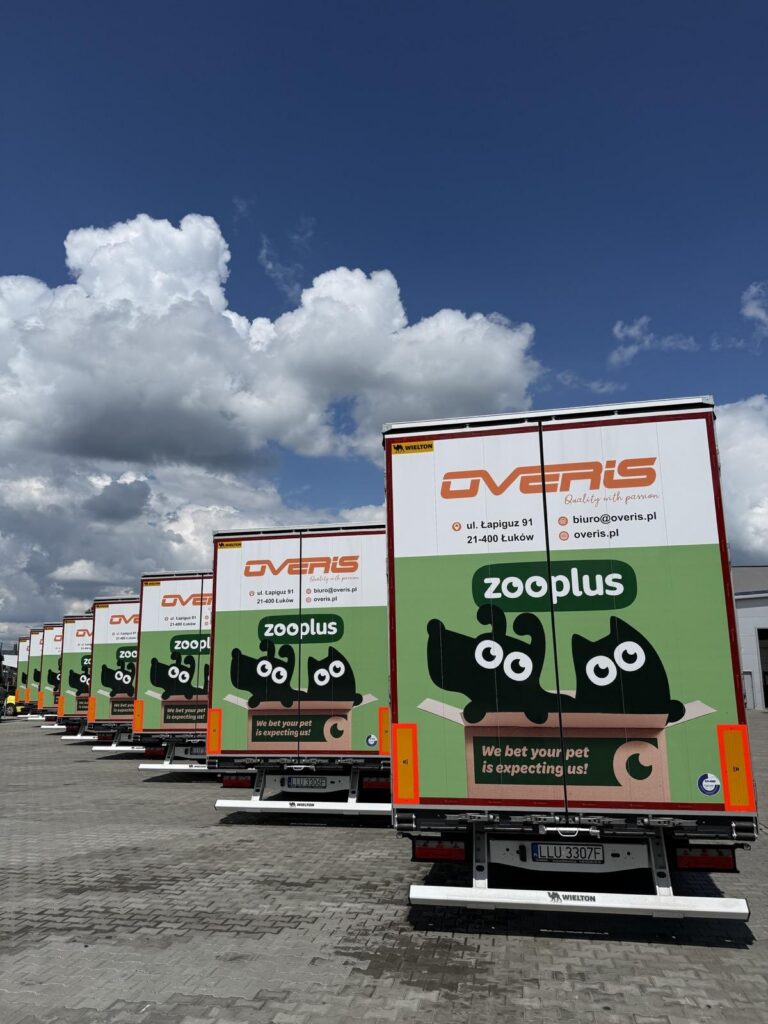
We work with logistics and service partners to improve loading and routing efficiency, shorten transport routes and make better use of available capacity. Standardised parcel sizes, used in eight of our ten fulfilment centres, help optimise truck loading and can reduce the number of vehicle journeys required. Moreover, we work with logistics partners that are expanding the use of electric vehicles, alternative fuels and more efficient delivery networks.
Products and ingredients

Pet food is a major part of our product portfolio and connects our business with agriculture, ingredient sourcing and food manufacturing. Improving the evidence available for product-related decisions is therefore an important area of work. This includes developing a clearer understanding of product carbon footprints, ingredient impacts, supplier data, and the boundaries and assumptions used in environmental comparisons.
In 2025, we conducted a product carbon-footprint pilot with the Pet Sustainability Coalition to examine pet-food products using beef, insect-based and plant-based proteins. The pilot reinforced that environmental comparisons depend on the complete recipe, ingredient sourcing, manufacturing, packaging, transport and nutritional purpose. We are using these insights to strengthen our product-footprint assessments, improve the underlying data and support more evidence-based decisions about products and ingredients.
Supporting carbon projects
We purchase carbon credits on the voluntary carbon market for selected emissions more directly connected with our operations, including Scope 1, Scope 2 and selected Scope 3 categories. These purchases sit alongside our work to measure emissions and reduce them. They do not replace emissions reduction and are not used to describe zooplus, its operations or its products as climate-neutral.
Our projects portfolio provides project-level information on project types, their locations and the standards followed.
Climate-resilient forest adaptation in Germany
The Schlegel project in Thuringia supports the conversion of forest stands into more biodiverse and climate-resilient ecosystems through species diversification and long-term forest stewardship. In 2025, more than 10,000 silver fir trees were planted, building on ongoing plant care and the nearly 5,000 silver fir and douglas fir trees planted in 2024.


Tropi’Coal biochar in the Republic of Congo
This project produces biochar from wood residues generated through certified hardwood operations. The biochar is intended for soil application, as a non-chemical fertilizer, and can thus store carbon for more than 1,000 years. Credits are certified under EBC C-Sink and Carbon Standards International.
Carbon markets FAQ
A carbon removal credit is associated with an activity that removes carbon dioxide from the atmosphere and stores it. Different project types use biological or technological processes and offer different expected storage periods. A removal credit is distinct from an avoidance credit, which is associated with preventing or reducing a future release of emissions.
A project developer quantifies a project’s climate outcome using an applicable methodology. The project and its monitoring information may then be assessed under a carbon standard before credits are issued in a registry. Buyers purchase credits and retire them so that the same unit cannot be used again. The credibility of a credit depends on factors including the methodology, additionality, monitoring, verification, durability, project risks and transparent registry records.
Carbon markets have faced scrutiny over whether projects deliver the outcomes claimed, whether reductions or removals are additional, and whether accounting and monitoring are sufficiently robust. We have strengthened our purchasing process step by step. Since 2022, we have worked with CEEZER, whose platform includes project due diligence and detailed risk evaluation. Our selection considers factors such as project type, durability, location, maturity, credit vintage, applicable standards or certifications, project-specific risks, and the transparency of available information. Where questions remain, we seek further information from project developers. These checks reduce risk but do not remove it entirely, which is why transparent project-level information and clear communication remain important.
Circular Economy
For an e-commerce retailer, circularity is particularly relevant to the products sold and the packaging used to deliver them. Our approach follows the hierarchy of reducing material use first, extending the life of products and materials where possible, and supporting recycling when materials can no longer serve their original purpose.
Packaging
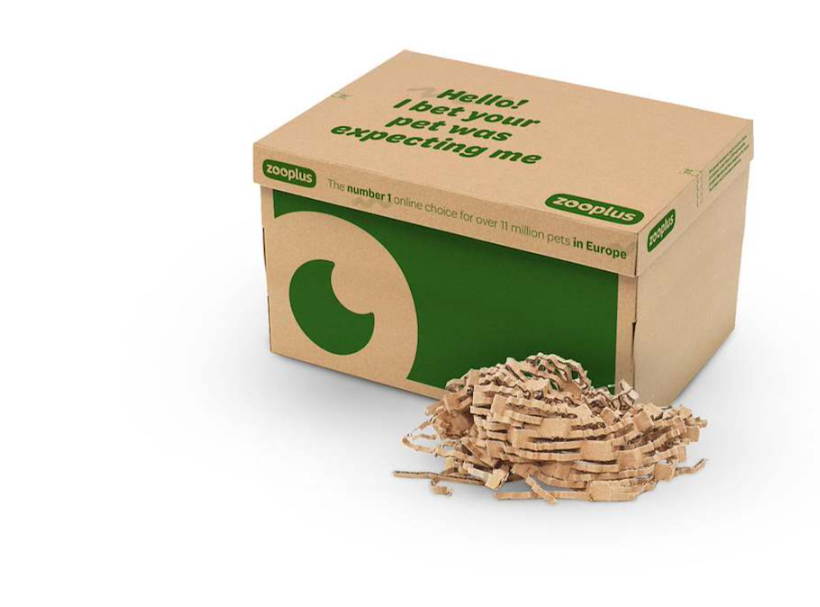
We aim to use only the packaging needed to protect products and deliver them safely. Automated parcel-fitting technology helps match packaging more closely to the items ordered. This reduces carton material, empty space and the need for void-fill materials, tape or additional straps.
We use recycled materials in shipping packaging and consider recyclability in packaging development. In 2025, more than 95% of the paper content in our shipping cartons was recycled, more than 85% of the PET used in parcel tape was recycled, and filling materials were made from 100% recycled material, with more than half sourced from post-consumer waste.
Effective recycling also depends on local collection and processing systems, which differ between countries and materials. In addition, our packaging decisions must balance material efficiency and recyclability with the need to protect products and deliver them in good condition.
Products
Food products are consumed, so conventional reuse and recycling models do not apply to the product itself in the same way as they do to packaging or durable goods. In comparison to other e-commerce industries, product returns play a minor role in pet food, resulting in a in 2025. Nevertheless, for returned items outside of food categories, refurbishment and reuse options are checked, and depending on hygiene, product safety, legal requirements and quality, an item is eligible for reuse through sale or donation.
Beyond extending product life through resale or donation, material choices are another aspect of circularity reflected in parts of our assortment. Selected non-food products use recycled materials, including recycled plastic, or renewable materials such as wood and natural fibres; our range also includes cat litter made from plant-based materials such as wood, corn or soy. These options can help reduce reliance on virgin fossil-based materials. As environmental performance depends on the specific product, its full life cycle and local end-of-life infrastructure, we focus on providing clear, product-specific information to help customers understand the materials used and make informed choices, rather than claiming a superior environmental footprint of certain products.
PETS



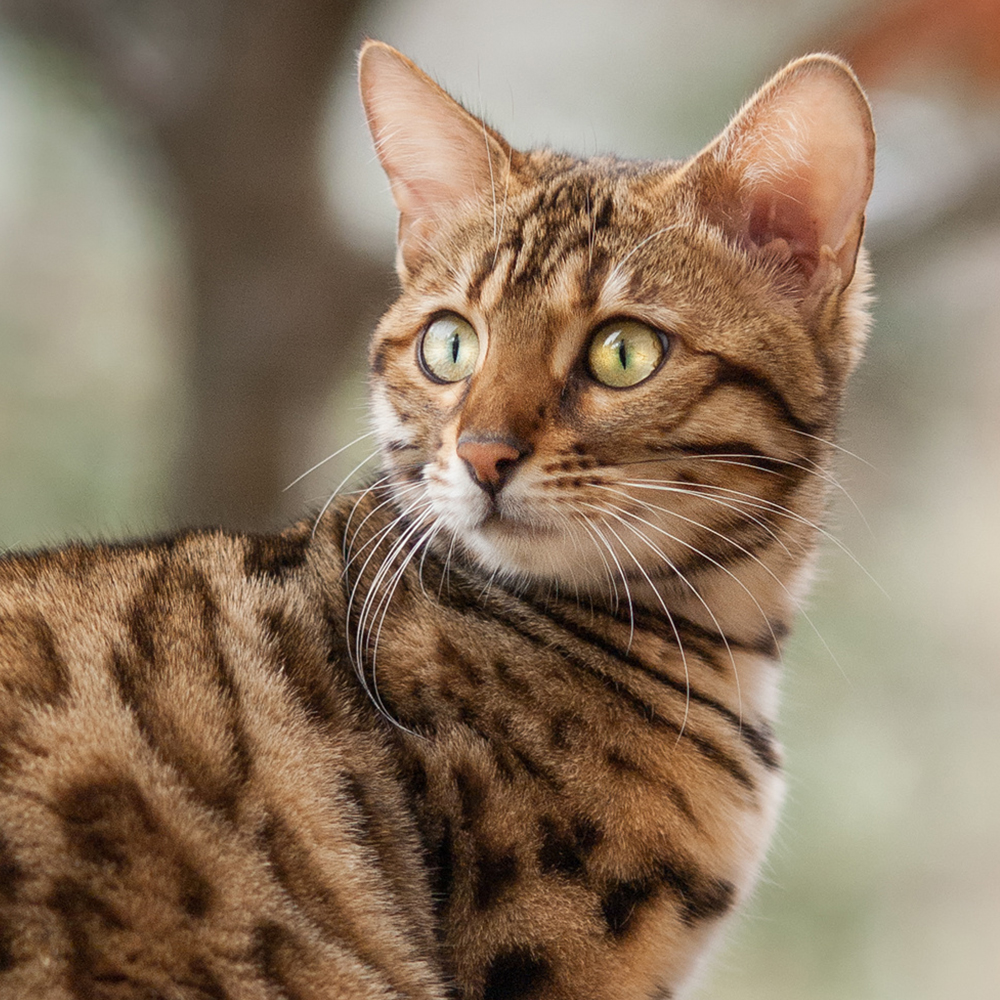
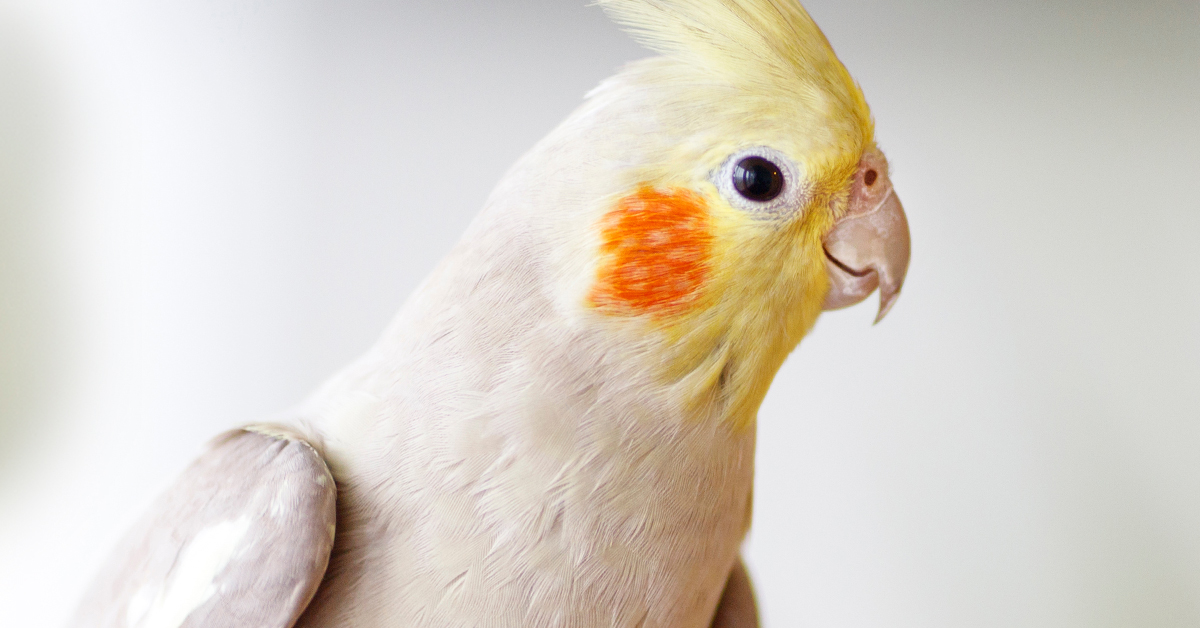

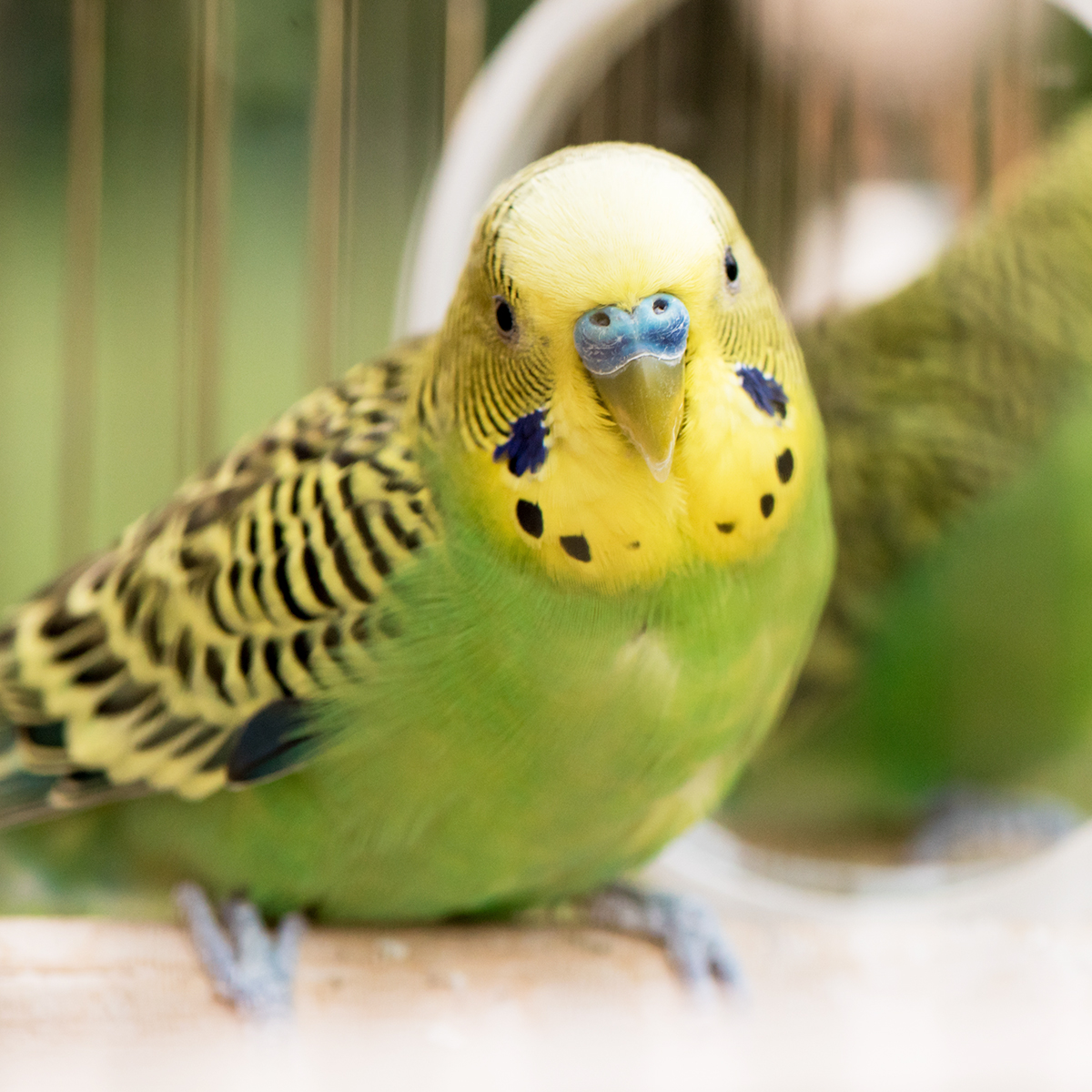


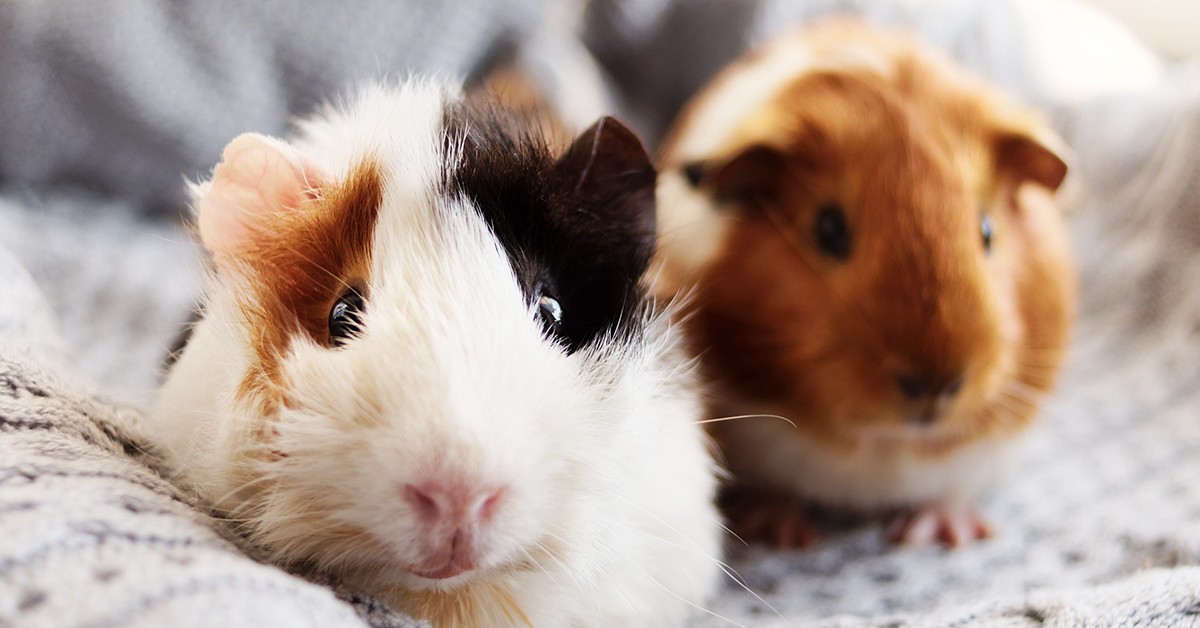
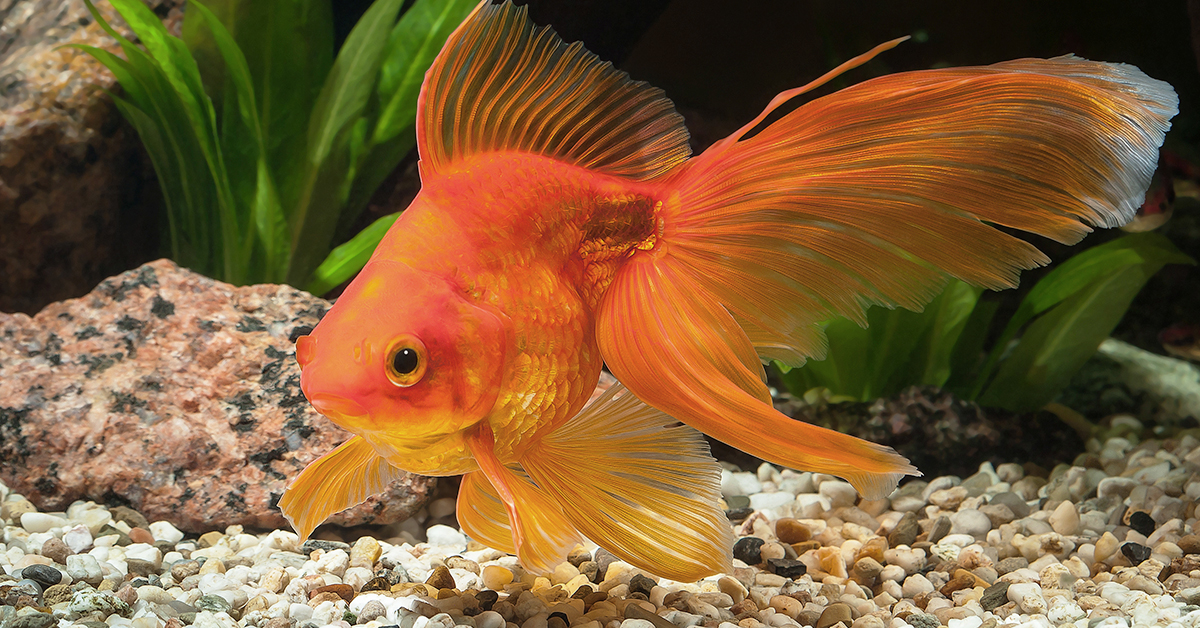
We support pet parents with reliable access to food, health products and accessories, clear and useful information, and responsible product-safety and compliance processes. We also extend that care beyond our shops by supporting animal-welfare organisations, shelters and pets in need.
€ 1 million
zooPoints donations in 2025
100+
office dogs
1
annual Social Day per employee
Safe products and informed choices
Pet nutrition and care can be complex, and the right choice depends on the individual animal. We aim to help pet parents make informed decisions by providing clear product information and accessible educational content.
We aim to provide detailed product information, including:
- nutritional purpose, ingredients, additives and feeding guidance
- the appropriate animal type or life stage
- product dimensions, capacity and intended use
- safety information, warnings, operating and care instructions
- responsible disposal information, where applicable
Our online magazine complements product information with practical guidance about pets and life with a pet. Its educational content includes contributions authored or reviewed by experienced veterinary professionals.
Supporting pets in need
Our customers, colleagues and partners help turn everyday actions into support for animal welfare. In 2025, customers contributed €1 million through zooPoints donations. This loyalty programme allows customers to donate points earned through their zooplus purchases to animal-welfare organisations, helping shelters meet essential needs such as food supply, medical care and day-to-day operations.
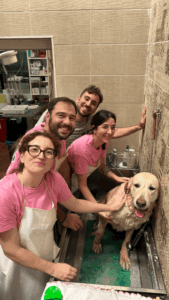
Our support also includes shelter partnerships, product donations, internal collections, community events and hands-on volunteering. In 2025, colleagues in Kraków, Vienna, Munich and other locations supported local shelters with daily care, cleaning, seasonal preparations and relocations. Examples include support for Tierschutz Austria and the Kraków-based animal-welfare organisation KTOZ. Community events, including adoption-awareness activities and charity concerts, helped highlight the importance of adoption and the work of animal shelters. In 2024, zooplus also provided emergency assistance following flooding in Spain and Eastern Europe, including pet food and other supplies for affected animals and communities.
A pet-friendly workplace
Pets are part of everyday working life at zooplus. Our dog-friendly offices are included among our workplace benefits, and accompanied by up to five days of “pawrental” leave when welcoming a cat or dog into the family, and one day of pet-loss leave when a beloved pet passes away.
PEOPLE
Our employees shape how we work together and how we serve our customers. We aim to give them the skills, opportunities and support they need to contribute effectively and develop over time. Our approach covers three areas: learning and development; diversity, equity and inclusion; and employee wellbeing.
1,293
employees at year-end 2025
80
nationalities represented
50%
female workforce
Learning, leadership and development
Continuous learning helps employees build capabilities for their current roles and for the future needs of the business. Our development offer combines learning through everyday work, collaboration with others and structured training. The 70/20/10 approach reflects this balance: 70% learning by doing, 20% learning from others and 10% through formal learning. For this, employees can access internal and external learnings through our online platforms or live sessions; as well as external courses, certifications and conferences. In 2025, 420 employees participated in live training sessions, 1,120 e-learning courses were completed across internal and external platforms, and 956 learning hours were recorded.
As effective leadership is essential to an engaging and high-performing workplace, we have created a First-Time Manager Programme, that supports employees transitioning into their first people-leadership role. It combines external expertise with internal training and covers leadership fundamentals, communication and feedback, conflict management, coaching and team development.
Moreover, learning is driven from within, directly initiated by our employees. For example, the cross-functional, team-led initiative zooHack brought colleagues together to develop solutions to business challenges, with ideas ranging from AI tools to more efficient internal processes. Another employee-founded initiative is zooSpark, a voluntary mentoring programme that supports knowledge sharing and professional growth. In 2025, it enabled 87 mentor-mentee pairs, going through more than 1,100 mentoring hours.

Diversity, Equity & Inclusion
Our workforce brings together people with different backgrounds, nationalities, experiences and perspectives. We aim to provide an environment in which employees are treated fairly, can contribute their views and have opportunities to participate and develop. Inclusion is supported through employee-led activities that create space for exchange, raise awareness and encourage colleagues to learn from one another. These activities are organised around four broad themes:

Cultural celebration: creating opportunities to share traditions and experiences, learn from one another and strengthen cross-cultural understanding. Examples include employee events such as Latin Fest and a joint Diwali celebration.

Women’s inclusion: supporting networking, visibility, learning, mentoring and professional development.

LGBTQ+ inclusion: creating space for connection, awareness, dialogue and allyship throughout the year.

Age and disability: raising awareness of age, disability, physical health, mental health and different life stages, and encouraging people to seek support when needed.




Wellbeing and engagement
We believe that engagement starts with communication and the opportunity for employees to contribute their voice. Town Hall meetings and Ask Me Anything sessions with the Management Board provide regular opportunities to stay informed about company developments, ask questions and participate in open dialogue. Employee listening is further supported through regular engagement questions, onboarding surveys, optional follow-up feedback and peer-recognition tools that help colleagues share appreciation and feedback.
Beyond day-to-day work, we create opportunities for colleagues to connect across teams and locations. Team and local events, sports activities and seasonal celebrations bring employees together in a more informal setting, helping to strengthen collaboration, build relationships and maintain a sense of community across our offices.
This spirit of connection also extends to giving back. Through our format Social Day – Time to Do Good, employees receive one dedicated day each year to contribute to a charitable or social cause, either individually or as part of a team. Activities often support animal-welfare organisations, but can also include food banks, environmental projects and other community initiatives.
Supporting wellbeing is an important part of creating a positive employee experience. In 2025, zooplus launched its first Mental Health Week to promote wellbeing, resilience and psychological safety. Expert-led learning and practical activities encouraged open dialogue and helped employees access relevant information and support. Mental health is further supported through an online wellbeing platform that is available to all employees.
Our wider wellbeing offering also includes local sports and fitness initiatives, medical-care activities, flexible working arrangements and a hybrid working model. Employees can also access a range of wellbeing resources, including gym and fitness memberships, digital health and wellness tools, mental health support, counselling services and wellbeing coaching, helping them maintain a healthy balance between their professional and personal lives.